 5 months ago
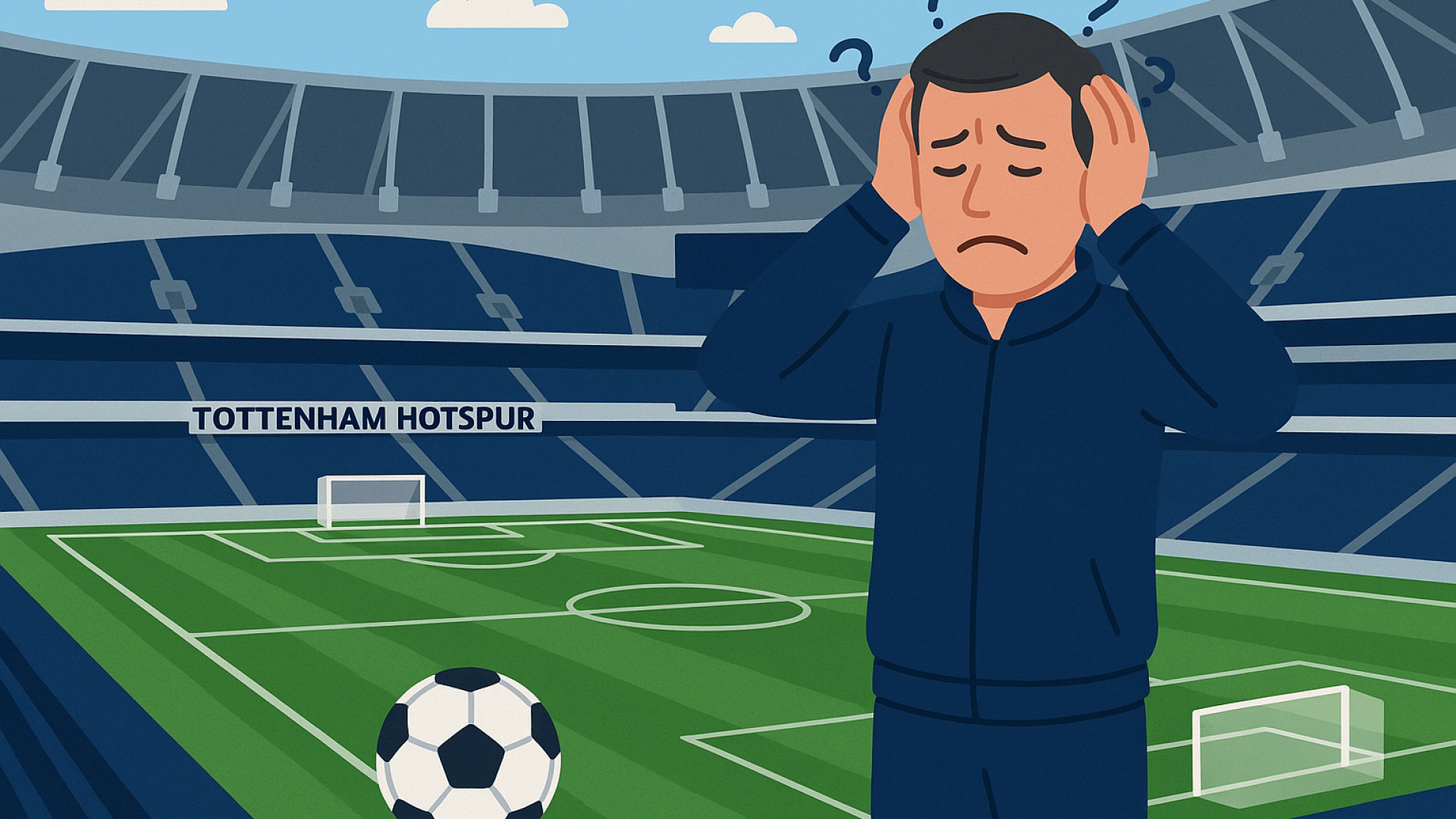
Tottenham Hotspur, one of England’s most storied football clubs, finds itself at a critical juncture in March 2026. The recent declaration that it is 'impossible for him to stay' regarding head coach Igor Tudor has sent shockwaves through the club’s fanbase and the wider football community. This editorial delves into the context behind Tudor’s precarious position, the underlying issues plaguing Spurs, and what the future might hold for the North London club.
Context: A Season Marked by Turmoil and Uncertainty
Igor Tudor’s tenure at Tottenham began with cautious optimism. Known for his tactical acumen and success in previous roles, Tudor was seen as a promising figure to steer Spurs back into Premier League contention and European competition. However, the 2025-2026 season has been anything but smooth. A combination of inconsistent performances, tactical confusion, and off-field distractions has left the club struggling to find its identity.
Fans and pundits alike have noted a strange mix of panic and resignation permeating the club’s atmosphere. The team’s form has been erratic, with flashes of brilliance overshadowed by defensive lapses and a lack of cohesion in attack. This inconsistency has contributed to Spurs slipping down the league table, raising questions about Tudor’s ability to inspire and manage the squad effectively.
Moreover, the pressure to compete at the highest level in the Premier League, coupled with the expectations of returning to the UEFA Champions League, has intensified scrutiny on Tudor’s methods. The club’s ambitions seem at odds with the current realities on the pitch, creating a palpable tension within the stadium and beyond.
The Core Issues: What Went Wrong?
Several factors have contributed to Tottenham’s current predicament under Igor Tudor:
- Squad Instability: Injuries to key players and a lack of depth in critical positions have hampered Tudor’s tactical plans. The club’s transfer strategy in recent windows has been questioned, with some signings failing to make the expected impact. The inability to adequately replace outgoing players or reinforce weak areas has left the squad vulnerable, especially during congested fixture periods.
- Tactical Challenges: Tudor’s preferred style, which blends high pressing with quick transitions, has not consistently translated on the pitch. Opponents have exploited defensive vulnerabilities, and Spurs have struggled to maintain possession and control games. The tactical rigidity at times has stifled creativity, while the defensive organization has been porous, leading to costly mistakes and dropped points.
- Psychological Pressure: The weight of expectations at a club like Tottenham is immense. The pressure on Tudor and the players has seemingly led to a loss of confidence, visible in crucial moments during matches. This psychological strain has manifested in a lack of composure during high-stakes situations, affecting decision-making and overall team morale.
- Off-Field Distractions: Rumors about Tudor’s future and internal disagreements within the club’s hierarchy have created an unsettling environment. Media speculation has only intensified the sense of instability. Reports of discord between the coaching staff and the board, as well as conflicting messages to the public, have undermined the unity necessary for success.
Fan Sentiment: Between Panic and Resignation
The Tottenham fanbase is known for its passionate support, but recent weeks have seen a shift in mood. Social media platforms and fan forums reveal a community torn between hope and despair. Some supporters remain loyal to Tudor, believing he deserves more time to implement his vision. They argue that managerial continuity is essential for long-term success and that knee-jerk reactions could derail progress.
Conversely, a growing faction of fans has expressed frustration, calling for immediate changes to salvage the season. These supporters highlight the risk of further decline and the potential damage to the club’s reputation and future prospects if the current trajectory continues. The divide among fans reflects the broader uncertainty surrounding the club’s direction.
This dichotomy reflects a broader challenge for the club’s leadership: balancing patience with the urgent need for results. The fear of slipping further down the league and missing out on European qualification has heightened tensions both inside and outside the club. The atmosphere at Tottenham Hotspur Stadium has become increasingly charged, with supporters demanding clarity and decisive action.
What Next for Igor Tudor and Tottenham?
With the statement that it is 'impossible for him to stay,' the question arises: what are Tottenham’s options moving forward?
- Immediate Managerial Change: The club could opt for a swift replacement, seeking a manager with a proven track record in crisis management. This approach carries risks, including further destabilization and the challenge of finding a suitable candidate mid-season. Additionally, a new manager would need time to adapt to the squad and implement their philosophy, which may not yield instant results.
- Backing Tudor to the End: Alternatively, Spurs might choose to support Tudor through the remainder of the campaign, allowing him to address the tactical and psychological issues. This would require a clear plan and visible commitment from the club’s board, including potential reinforcements in the January transfer window and enhanced support for the coaching staff.
- Strategic Rebuild: Beyond the immediate future, Tottenham needs to reassess its recruitment, youth development, and long-term vision. A comprehensive rebuild could involve restructuring the coaching staff and investing in emerging talents. This path demands patience and a willingness to accept short-term setbacks for sustainable growth.
Broader Implications for Tottenham and English Football
Tottenham’s struggles under Tudor are emblematic of wider challenges faced by Premier League clubs balancing ambition with stability. The pressure to deliver instant success often clashes with the realities of squad building and managerial adaptation. Clubs must navigate the fine line between investing heavily to compete and maintaining a cohesive team culture.
Moreover, the club’s situation highlights the importance of coherent leadership and communication. Fans crave transparency and a sense of direction, especially during difficult periods. How Tottenham navigates this crossroads will be closely watched by rivals and observers alike, serving as a potential blueprint for managing crises in elite football.
In the context of English football’s evolving landscape, where financial stakes and media scrutiny continue to rise, Tottenham’s experience underscores the necessity for clubs to align their ambitions with realistic strategies. The balance between short-term results and long-term planning remains a delicate but crucial aspect of sustained success.
Conclusion: Navigating the Abyss with Caution and Vision
As Tottenham Hotspur stands on the precipice of change, the path forward demands careful consideration. The mix of panic and resignation among supporters underscores the urgency of decisive action, yet rash decisions could exacerbate existing problems. The club must weigh the benefits of stability against the risks of inertia.
Igor Tudor’s future at Spurs remains uncertain, but the club’s leadership must prioritize stability, clear communication, and strategic planning. Whether through managerial change or renewed support for Tudor, Tottenham’s goal must be to restore confidence and competitiveness. This includes addressing squad weaknesses, fostering a positive team environment, and engaging transparently with the fanbase.
In the ever-evolving landscape of English football, Spurs’ journey in 2026 will serve as a case study in managing crisis and ambition. For now, the club and its fans face a challenging but potentially transformative period, with the hope that lessons learned will pave the way for a brighter future. The coming months will be pivotal in defining Tottenham Hotspur’s identity and trajectory for years to come.